In the high-stakes environment of an Intensive Care Unit (ICU) or Emergency Department, split-second decisions and rapid clinical interventions are routine. However, this fast-paced atmosphere significantly amplifies the risk of occupational hazards, most notably needle-stick injuries (NSIs).
Every vascular access procedure carries an inherent risk of bloodborne pathogen transmission. The widespread transition to safety intravenous (IV) cannulas represents one of the most effective engineering controls that modern critical care units can adopt to protect frontline clinicians while maintaining rapid, seamless vascular access.
The High Stakes of Needle-Stick Injuries in Critical Care
Critical care clinicians manage complex medication regimens, rapid fluid resuscitations, and frequent blood sampling. In these high-pressure scenarios, several environmental factors compound the risk of sharps injuries:
- Patient Agitation and Delirium: Confused, combative, or seizing patients can move unpredictably during vascular catheterization.
- Urgency and Low Lighting: Emergency bedside cannulations often occur under time-critical distress or dim lighting during nighttime interventions.
- Fatigue and High Workload: Prolonged shifts combined with complex patient ratios reduce manual dexterity and increase cognitive load.
The consequences of an NSI extend beyond the initial puncture. Exposure to bloodborne pathogens—such as Hepatitis B (HBV), Hepatitis C (HCV), and Human Immunodeficiency Virus (HIV)—triggers urgent post-exposure prophylaxis (PEP), extensive serological testing, lost clinical hours, and profound psychological stress.
How Safety IV Cannulas Work
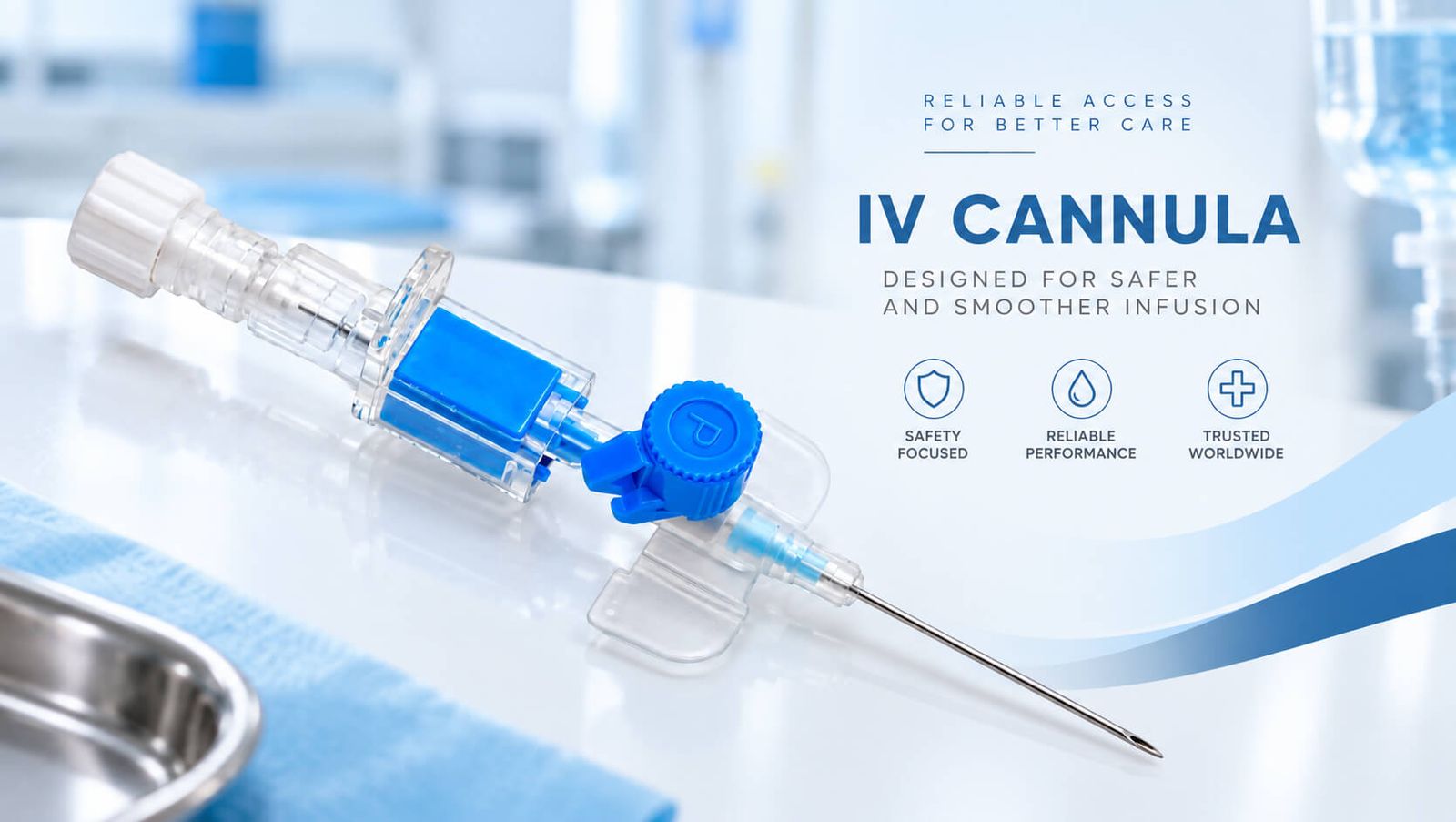
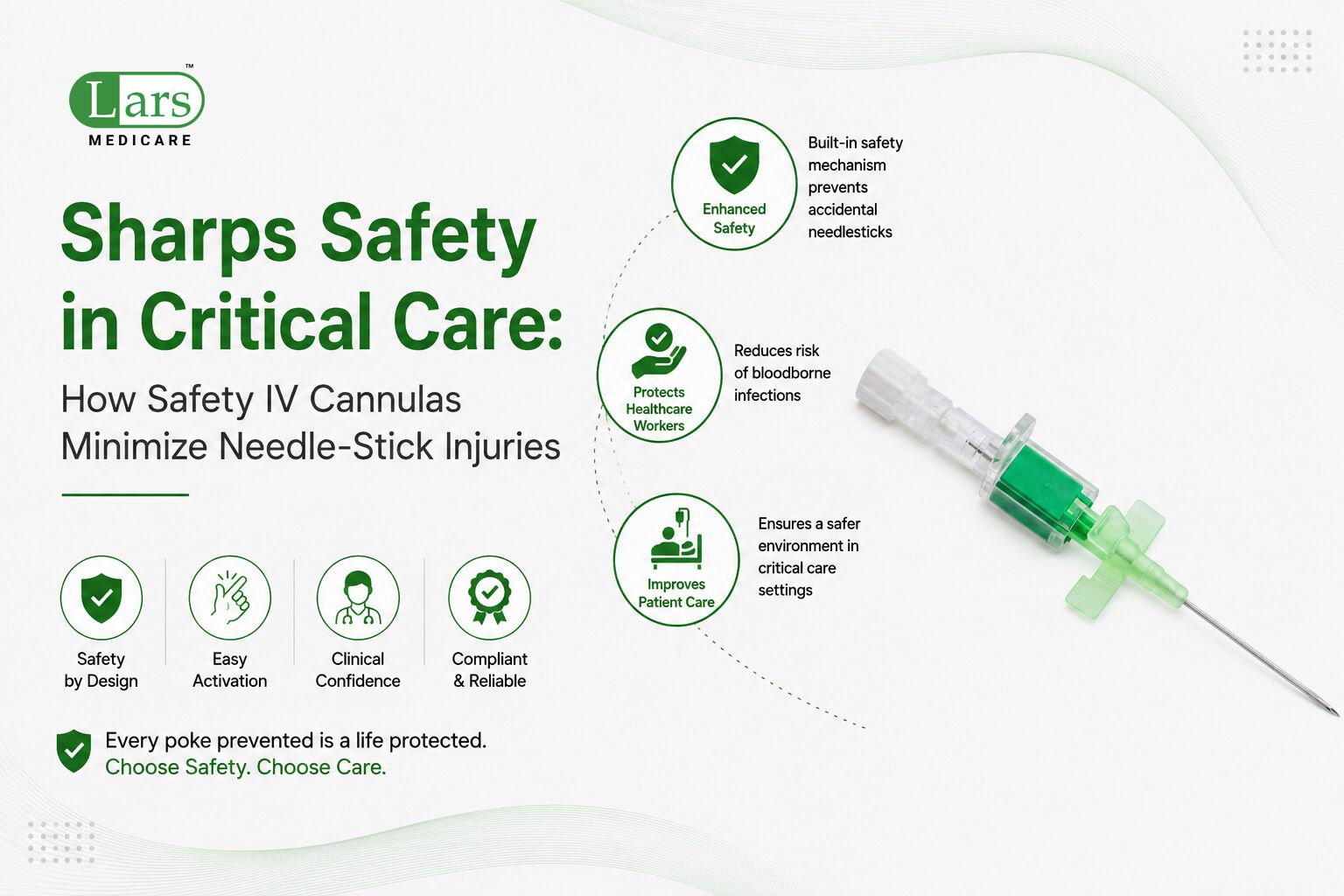
Safety IV cannulas integrate engineered safety mechanisms designed specifically to shield or encapsulate the needle point immediately after withdrawal from the vein, eliminating reliance on risky manual recapping.
1. Active vs. Passive Safety Mechanisms
| Feature | Active Safety Cannulas | Passive (Fully Automatic) Safety Cannulas |
| Activation Mechanism | Requires the user to manually trigger a button, slide a shield, or click a latch. | Automatically engages during normal needle withdrawal without extra clinician steps. |
| User Dependency | High protection fails if the clinician forgets to activate the mechanism under stress. | Zero safety shield deploys automatically upon stylet removal. |
| Failure Rate | Moderate in panic or high-adrenaline emergency situations. | Extremely low; eliminates human error. |
| Best Application | General ward settings and controlled environments. | High-acuity units, trauma bays, and emergency suites. |
2. Primary Engineering Controls
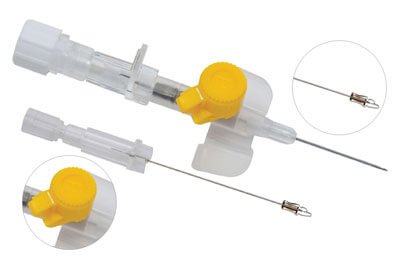
- Needle Tip Encapsulation: A stainless steel or plastic clip snaps securely over the needle bevel as the stylet is extracted from the catheter hub.
- Integrated Spring Retraction: Depressing a release switch rapidly retracts the needle into a sealed, rigid chamber.
- Self-Sealing Septums & Blood Control: Advanced safety cannulas include an internal blood control valve that halts backflow from the hub until an infusion line is attached, reducing blood exposure and splatter.
Clinical and Operational Benefits in Critical Care
Eliminating the “Clean-to-Bin” Hazard Zone
A high percentage of sharps injuries happen during the transit window—the few seconds between withdrawing the needle from the patient and dropping it into a sharps container. Automatic safety shields neutralize the sharp point the exact millisecond it exits the vascular hub, rendering the device safe before transit even begins.
Streamlining Emergency Workflow
Blood-control safety cannulas reduce the need for manual digital occlusion of the vein when connecting the line. This frees the clinician’s hands to secure the dressing, attach tubing, and stabilize an unstable patient without creating blood spills or risking accidental punctures.
Financial and Regulatory Compliance
While safety-engineered devices carry a higher per-unit acquisition cost than conventional open needles, they drastically reduce downstream organizational costs:
- Elimination of Post-Exposure Protocols: Avoids costly lab workups, baseline panels, and expensive antiviral prophylaxis regimens.
- Reduced Lost-Work Time: Prevents administrative downtime, worker’s compensation payouts, and emergency staff cover costs.
- Regulatory Adherence: Satisfies institutional standards set by OSHA (Bloodborne Pathogens Standard), the CDC, and international sharps safety directives.
Best Practices for Transitioning to Safety Cannulas
Implementing safety cannulas requires more than just swapping supply room bins; it requires a structured clinical workflow shift:
- Prioritize Fully Passive Devices: For intensive care units, prioritize passive over active devices to eliminate user-activation failure during high-stress resuscitations.
- Hands-On Simulation Training: Clinicians must feel the tactile “click” or resistance changes of new safety hubs on simulation manikins before live-patient insertion.
- Ergonomic Assessment: Ensure chosen designs do not impede insertion angles, flash-visualization chambers, or grip stability for difficult vein cannulations.
- Immediate Point-of-Use Disposal: Emphasize that safety-engineered mechanisms complement—rather than replace—rigid sharps disposal containers situated within arm’s reach of the bedside.
Investing in passive safety IV cannulas builds an institutional safety culture where clinicians can concentrate fully on life-saving patient interventions without compromising their own occupational health.