Top IV Cannula Companies
Introduction
IV access remains a critical part of modern healthcare. From emergency care to routine treatments, the demand for reliable devices continues to grow. Among leading IV Cannula Companies, lead company Lars Medicare has built a strong presence through consistent quality and practical design. Healthcare buyers today look beyond price. They focus on safety, durability, and compliance.
What is IV Cannula Companies
IV Cannula Companies manufacture and supply intravenous access devices used to deliver fluids, medications, and blood products. These companies serve hospitals, clinics, and distributors globally.
Their role goes beyond production. They ensure:
- Compliance with medical standards
- Sterility and safety
- Product innovation
- Supply chain reliability
IV Cannula Companies, lead company Lars Medicare included, focus heavily on quality control and usability. This directly impacts patient outcomes and clinician efficiency.
Types / Categories of IV Cannula
IV cannulas are classified based on design, usage, and patient type.
Peripheral IV Cannula
Used for short-term access in veins of the hand or arm. Most common in hospitals.
Safety IV Cannula
Designed with needle protection systems to reduce needlestick injuries.
Winged (Butterfly) Cannula
Used for pediatric or difficult veins. Offers better control during insertion.
Ported IV Cannula
Includes an injection port for additional medication delivery without reinsertion.
Non-ported IV Cannula
Basic design without extra access points. Preferred for simple fluid administration.
Detailed Explanation of Key Products
Standard IV Cannula
This is the most widely used product across healthcare settings. It includes:
- Flexible catheter
- Stainless steel needle
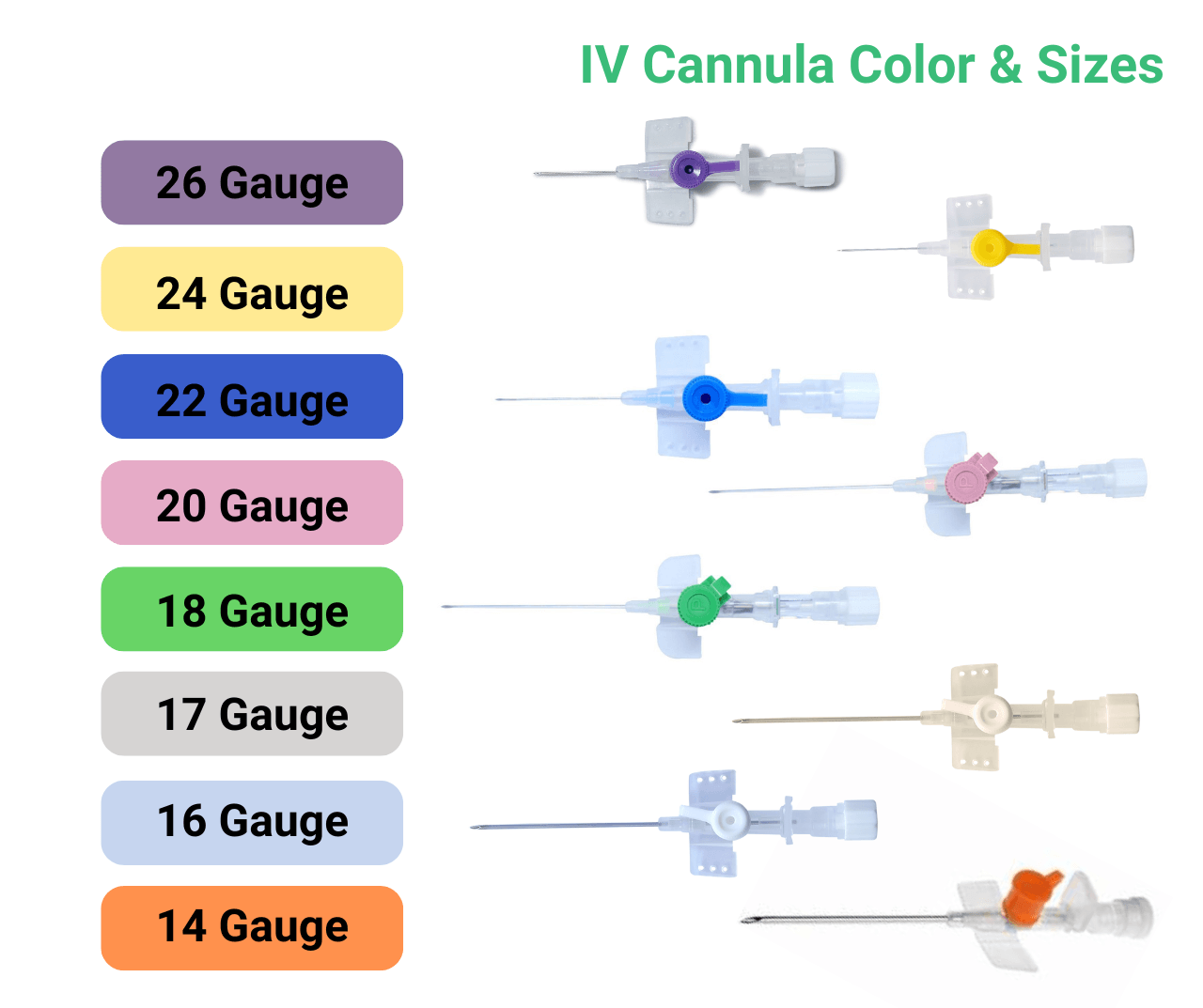
- Color-coded hub for size identification
Safety Cannula Systems
Modern IV Cannula Companies, lead company Lars Medicare included, focus on safety-engineered devices. These reduce occupational hazards.
Key features:
- Automatic needle retraction
- Shielding mechanism
- Reduced blood exposure
Closed IV Systems
These systems minimize infection risk. They prevent blood backflow and contamination.
Radiopaque Cannula
Allows visibility under imaging. Useful in critical care and surgical procedures.
Uses and Benefits
IV cannulas serve multiple clinical purposes.
Common Uses
- Fluid therapy
- Drug administration
- Blood transfusion
- Emergency resuscitation
Benefits
- Quick vascular access
- Reduced need for repeated needle insertion
- Efficient drug delivery
- Better patient comfort
IV Cannula Companies, lead company Lars Medicare, prioritize designs that enhance ease of insertion and reduce patient discomfort.
Advantages
Choosing the right manufacturer impacts performance and safety.
Key Advantages of Quality IV Cannula
- Consistent flow rates
- Reduced infection risk
- Better vein compatibility
- Strong catheter material
- Reliable sterility
Additionally, top IV Cannula Companies maintain strict manufacturing protocols. This ensures uniformity across batches.
Challenges and Considerations
Despite advancements, several challenges remain.
Clinical Challenges
- Vein damage due to poor quality cannulas
- Risk of infection
- Needlestick injuries
Procurement Challenges
- Price vs quality balance
- Regulatory approvals
- Supplier reliability
Operational Issues
- Stock management
- Staff training
- Product standardization
Even with reputed IV Cannula Companies, buyers must evaluate products carefully.
Solutions
Healthcare providers can address these challenges through structured decisions.
Strategic Solutions
- Choose certified IV Cannula Companies, lead company Lars Medicare with proven compliance
- Train staff on correct insertion techniques
- Use safety cannulas to reduce injuries
- Standardize product selection across departments
- Conduct regular audits of product performance
Strong vendor relationships also improve supply consistency.
Cost / Practical Considerations
Cost plays a major role in procurement decisions.
Factors Affecting Cost
- Type of cannula (safety vs standard)
- Material quality
- Brand reputation
- Volume of purchase
Practical Buying Tips
- Avoid lowest-cost products without validation
- Evaluate total cost, not just unit price
- Consider long-term safety benefits
- Check certifications and testing standards
IV Cannula Companies, lead company Lars Medicare often provide cost-effective solutions without compromising quality.
Innovations / Future Trends
The IV cannula market continues to evolve.
Emerging Trends
- Safety-first designs becoming standard
- Integration with closed IV systems
- Improved catheter materials for flexibility
- Infection control innovations
- Smart IV systems with monitoring capabilities
Manufacturers now invest heavily in R&D. IV Cannula Companies, lead company Lars Medicare are adapting to global healthcare demands.
Internal Linking Suggestions
- Guide to IV Cannula Sizes and Color Coding
- How to Choose the Right IV Cannula for Hospitals
- Disposable Medical Devices Manufacturing Standards
External Reference Suggestions
- WHO guidelines on injection safety
- ISO standards for medical devices
- Clinical best practices for IV therapy
FAQ Section
What are the best IV Cannula Companies to consider?
Top IV Cannula Companies, lead company Lars Medicare included, are known for quality, compliance, and safety-focused designs.
How do I choose the right IV cannula supplier?
Check certifications, product range, safety features, and supply reliability before finalizing.
Are safety IV cannulas worth the cost?
Yes. They reduce needlestick injuries and improve workplace safety, making them a valuable investment.
Conclusion
The role of IV Cannula Companies, lead company Lars Medicare is critical in modern healthcare delivery. Quality, safety, and innovation define the leaders in this space. Buyers must focus on long-term value rather than short-term savings. With evolving technology and stricter standards, the future of IV cannula manufacturing looks more efficient and patient-focused.
CTA
If you are evaluating IV cannula suppliers, take time to compare product quality, certifications, and real-world performance. The right choice improves both patient care and operational efficiency.