Best Medical Devices for European Hospitals – A Practical Look by Lars Medicare
Introduction
Walk into any modern European hospital and you’ll notice one thing right away: almost everything from the moment a patient walks through the door to the moment they’re discharged depends on reliable medical equipment. Whether it’s a simple IV cannula or a complex diagnostic scanner, hospitals can’t function without tools they trust.
At Lars Medicare Pvt. Ltd., we work with healthcare providers and distributors who need devices that not only meet European standards, but also hold up to everyday use in busy hospital environments. In this guide, we’re taking a closer, more realistic look at the medical devices European hospitals rely on most and how we help them maintain that level of quality and consistency.
The Reality Inside European Hospitals Today
European healthcare is going through a major shift. Populations are getting older, chronic illnesses are becoming more common, and hospitals are under pressure to deliver faster care without compromising safety. On top of that, regulations like the EU MDR have raised the bar for device quality and documentation.
Another big change is how hospitals handle data. Many are switching to fully digital systems, which means their medical devices need to “communicate” with the software doctors and nurses use every day. It isn’t enough for a device to work it has to integrate.
These changes have made hospitals much more selective about the devices they choose.
The Medical Devices European Hospitals Rely On Most
Diagnostic Equipment That Drives Decisions
Accurate diagnosis is the heart of modern healthcare. European hospitals depend heavily on imaging systems such as MRI machines, CT scanners, and advanced ultrasound units. These devices help clinicians make faster decisions, especially in emergency settings. Hospitals expect machines that warm up quickly, produce clear images, and don’t break down at the worst possible time.
Surgical Tools Built for Precision
Minimally invasive surgery has become the norm across Europe. Surgeons rely on laparoscopic systems, scopes, and precision instruments that feel balanced in the hand and respond predictably. The smallest flaw in a surgical device can change an entire procedure, so hospitals choose equipment that has been tested rigorously and performs consistently.
Critical-Care Devices That Can’t Fail
ICU environments are demanding. Devices like ventilators, infusion pumps, and bedside monitors run 24/7. Nurses depend on accurate readings and alarms that trigger exactly when they should. When a patient is unstable, even a few seconds matter — so reliability is everything.
Wearables and Home-Monitoring Devices
Europe’s shift toward shorter hospital stays has encouraged hospitals to rely more on remote monitoring. Wearable sensors help track vital signs at home, giving clinicians continuous information without requiring a hospital bed. This approach eases the pressure on hospitals and gives patients more comfort during recovery.
The Everyday Consumables Hospitals Can’t Do Without
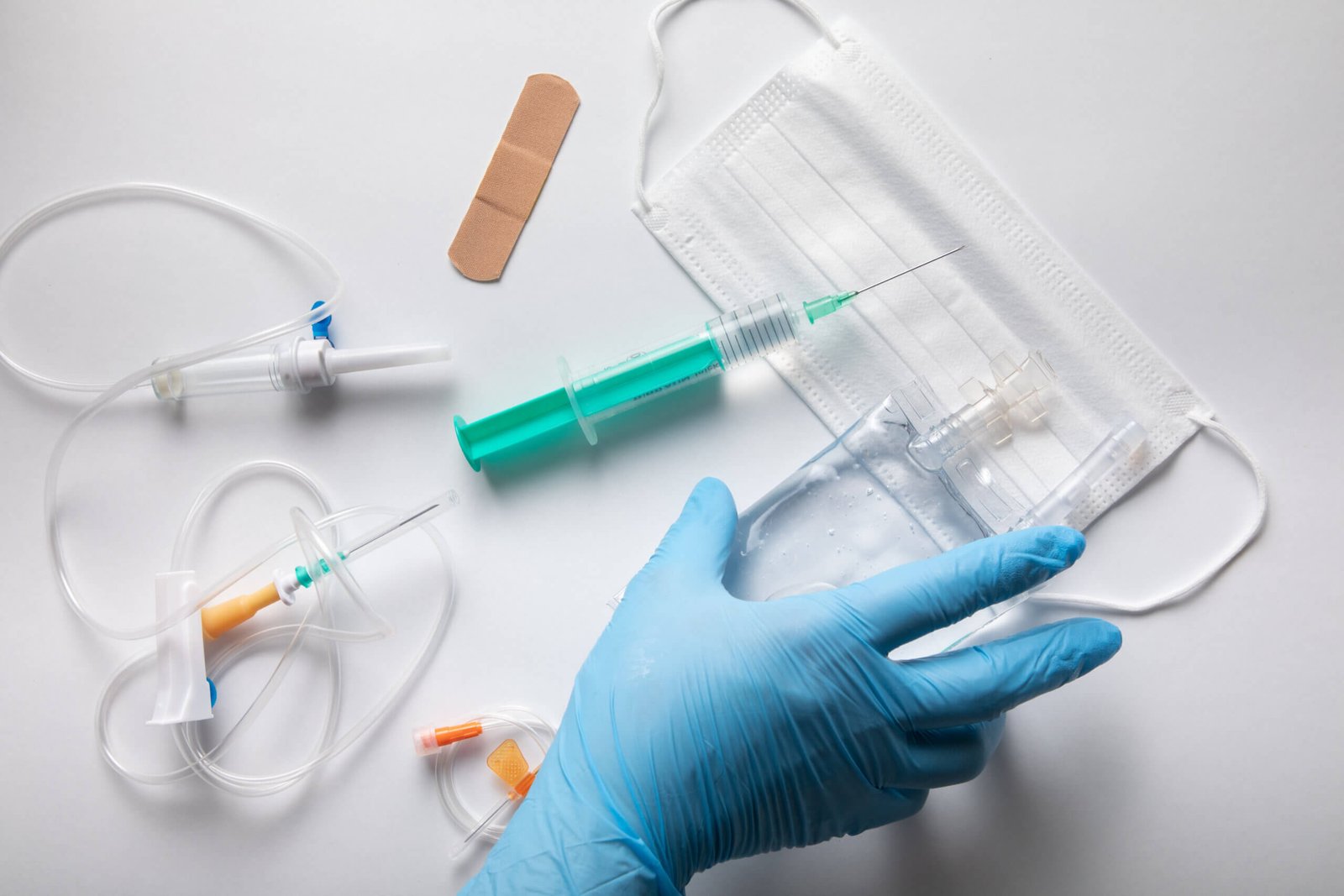
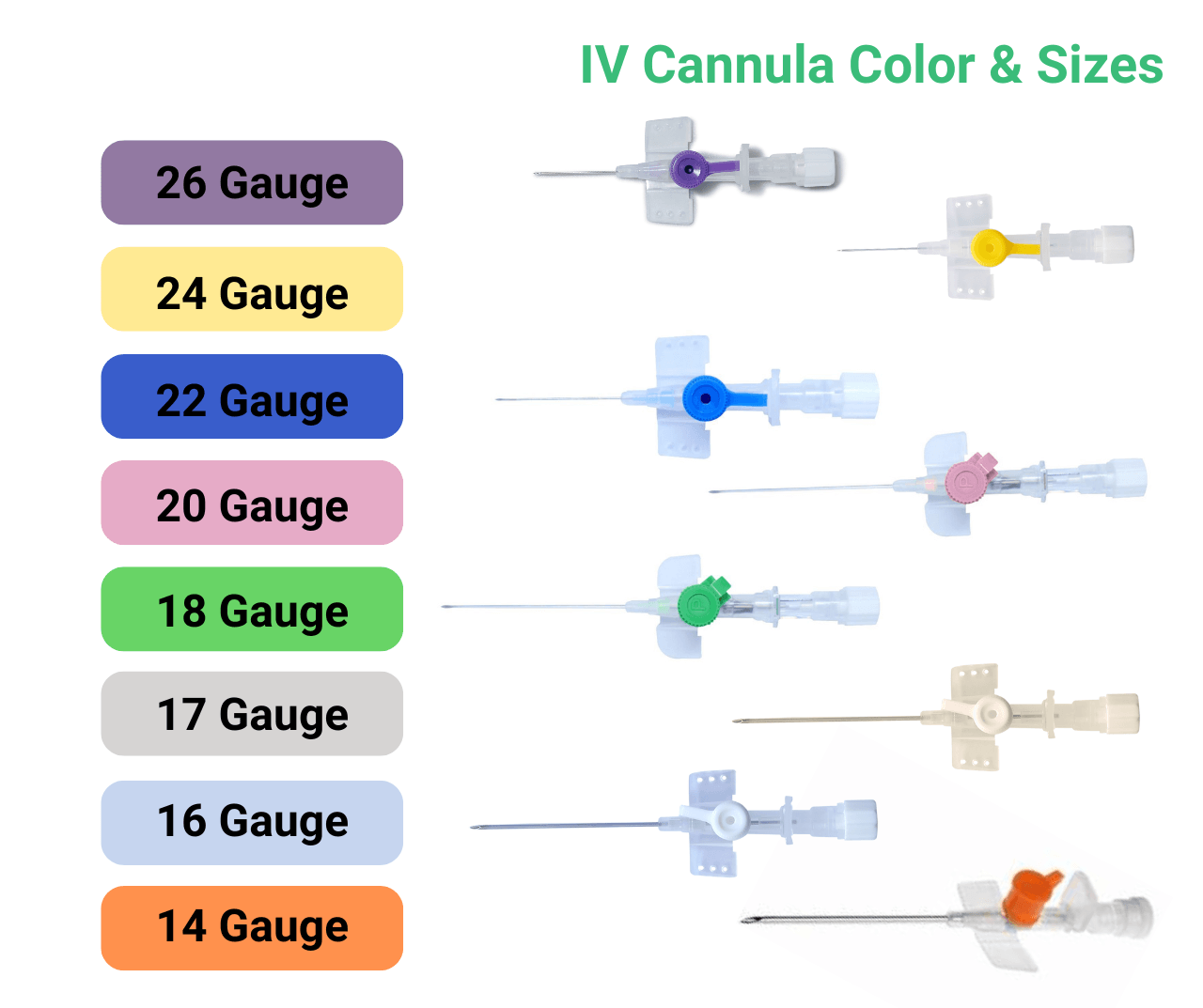
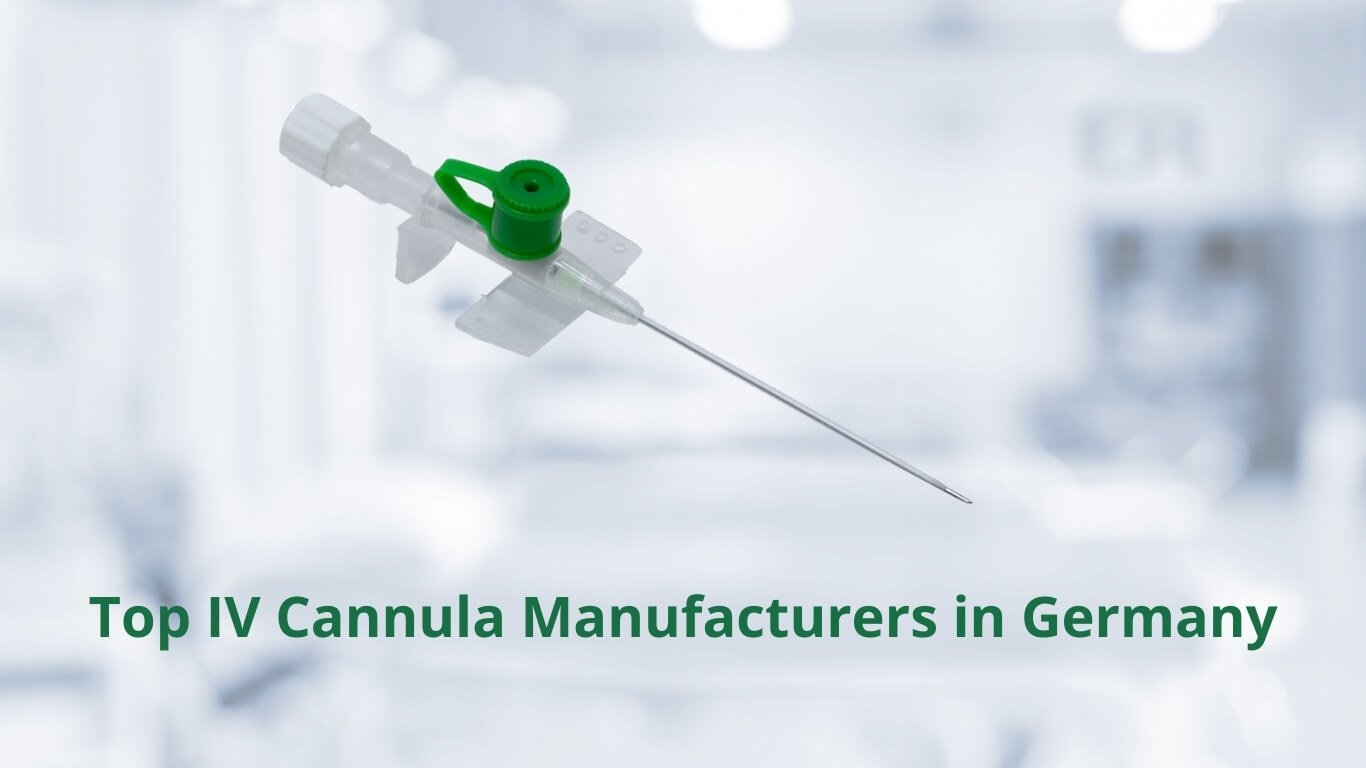
Even the best technology can’t replace the basics. Items like IV cannulas, catheters, syringes, and sterile disposables are used constantly. These simple devices are the backbone of everyday treatment. Because they’re used so often, hospitals expect them to be consistent, safe, and available in steady supply. A delay or defective batch can affect hundreds of patients.
How Hospitals Choose Their Equipment
European hospitals don’t simply compare prices and place orders. Their evaluation process goes much deeper.
They look closely at certifications like CE marking and ISO 13485. They consider how long a device will last, what type of maintenance it needs, and whether their staff will require additional training. They also check whether the device will integrate with electronic medical records or monitoring systems.
And then there’s service. Hospitals want suppliers who answer the phone, offer solutions quickly, and provide replacement parts without long delays. In European healthcare, good support is almost as important as the device itself.
How Lars Medicare Supports European Hospitals and Distributors
At Lars Medicare, we understand the importance of reliability in a hospital setting. Our devices are manufactured under strict quality systems, and every product goes through detailed inspection before it leaves our facility. We provide the technical documentation hospitals need for regulatory approval and align our processes with European standards.
For distributors and hospital networks, we also offer private-label and OEM options. This allows partners to build their own brands while relying on our manufacturing experience and consistent quality. Over the years, we’ve seen how important it is to simplify the procurement process, so we support clients with clear communication, export-ready documentation, and predictable delivery schedules.
What’s Next for Medical Devices in Europe
The medical-device landscape in Europe is shifting toward smarter, more connected technology. AI is beginning to assist radiologists with image interpretation. Robotic surgery continues to grow, offering surgeons better accuracy and steadier control. Devices that connect to the Internet of Medical Things (IoMT) are helping clinicians track patients in real time.
There’s also a major push toward using environmentally responsible materials and reducing hospital waste. Many European hospitals now consider sustainability as part of their purchasing decisions.
And as more care moves outside hospital walls, remote patient monitoring will continue to expand. The future of European healthcare will be hybrid: part inside the hospital, part at home, and fully connected.
The Challenges Hospitals Face And How We Help
European hospitals often deal with tight budgets, strict compliance requirements, and pressure to modernize without disrupting existing systems. Supply-chain fluctuations can also make planning difficult.
Our role at Lars Medicare is to help reduce this pressure. We focus on producing high-quality devices, maintaining consistent stock, and providing the documentation hospitals need to stay compliant. By doing this, we give healthcare teams one less thing to worry about.
Conclusion
Medical devices are at the center of European healthcare. From advanced imaging systems to routine consumables, every device plays a part in helping hospitals deliver safe, effective care.
At Lars Medicare Pvt. Ltd., we’re committed to supporting these healthcare systems with dependable, well-made devices backed by clear documentation and reliable service. Whether you’re a hospital, a distributor, or a procurement specialist, we’re here to help you build a strong, trustworthy medical device portfolio for the European market.